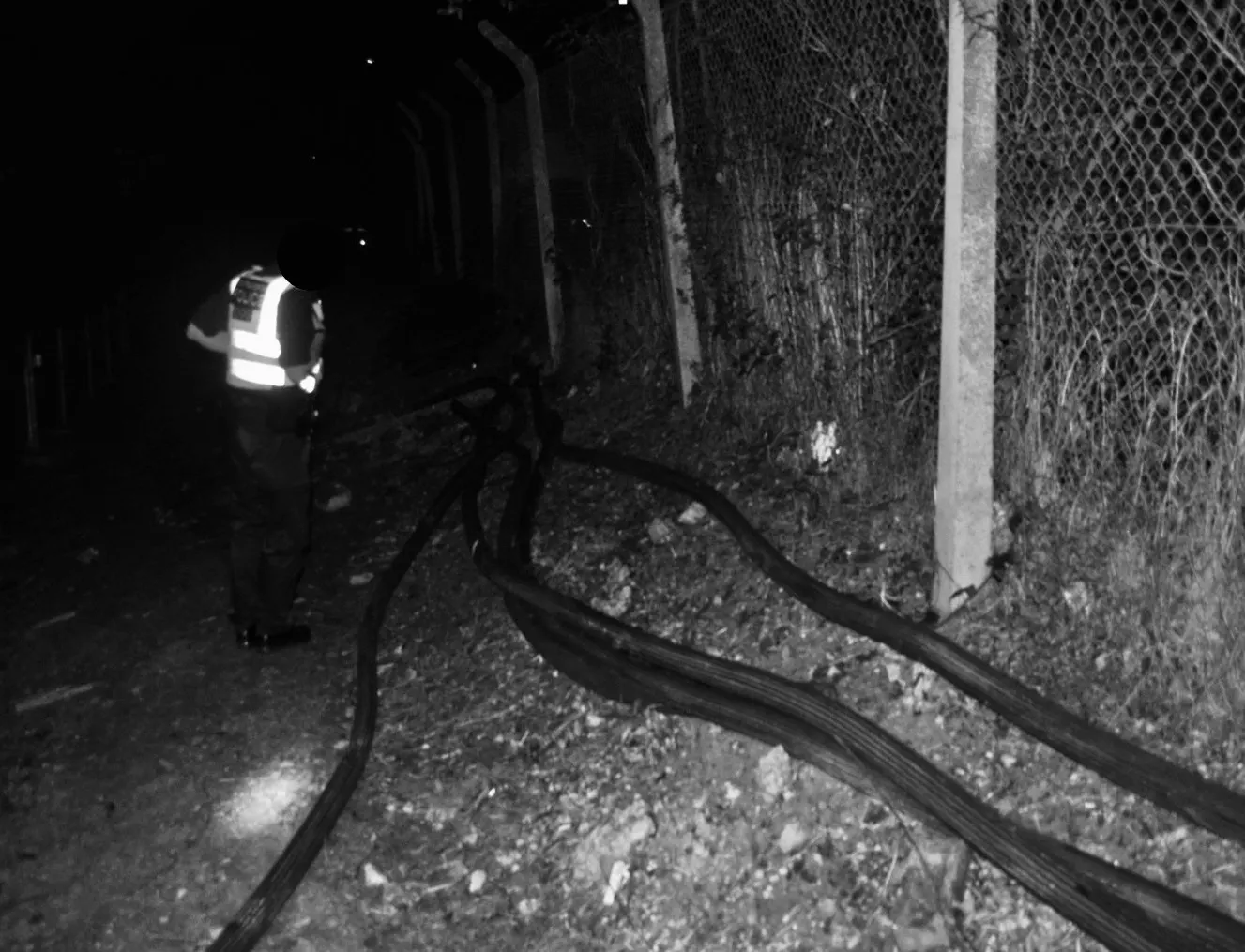
Cable and metal theft can cause far greater harm than the value of the material removed. On rail, energy and communications networks, one incident may interrupt services, delay work, require an emergency response and create serious risks for staff and the public. When the same route, compound, cabinet, depot or access point is repeatedly targeted, a focused investigation may help establish how the activity is taking place and who is involved.
LPI supports rail operators, principal contractors, communications providers, utilities and infrastructure security teams. The service can complement existing guarding, cameras, alarms and police liaison. It does not replace the organisation’s safety management, security response or statutory reporting.
You are not committing to anything by contacting us.
Rail and utility locations are not ordinary surveillance sites. Live lines, electricity, moving vehicles, restricted access and engineering activity may all be present. Investigators only work from positions they are legally and safely permitted to use. Trackside or other restricted access is not assumed and would require the appropriate client authority, arrangements, competence, induction and safe system of work.
Where those requirements cannot be met, monitoring may still be possible from public roads, authorised land, depots, access routes or other safe locations. A useful investigation never justifies placing an operative in danger or interfering with an operational railway or network.
The organisation’s incident and engineering information can make the difference between a focused operation and wasted coverage. We may review the theft locations, cable or metal involved, dates, weather, engineering possession or maintenance windows, alarms, access routes, vehicle tracks, nearby roads and details of legitimate workers or contractors.
We also ask what the suspects would need in order to reach and remove the material. The likely vehicle, access time, tools, route and collection point can influence the number and position of investigators. These are planning considerations, not assumptions about who is responsible.
A deployment may observe an access gate, track, compound, depot, cabinet, work site or surrounding road during the strongest risk period. Several investigators may be required where vehicles can approach from different directions or where maintaining coverage after departure is important. Temporary cameras on properly authorised property may support a stable location, subject to privacy, security and operational approval.
The intention is to identify meaningful behaviour without exposing the operation. Investigators may record vehicle descriptions and registrations, people present, timings, routes, access methods and activity connected with the infrastructure. Darkness, distance, weather, vegetation, site layout and safe positioning may affect image quality or visibility.
Before deployment, we agree who knows about the investigation, how observations will be communicated and what should happen if suspicious or dangerous activity develops. The authorised contact may be a security manager, route or asset team, control room, principal contractor or police liaison officer. This prevents mixed messages and helps ensure that an investigator does not unknowingly interfere with a planned response.
LPI investigators normally observe rather than confront. They do not enter a dangerous area, touch suspected stolen material, attempt a roadside stop or chase a vehicle in a way that risks the public. An immediate threat to life, operational safety or critical infrastructure is escalated in line with the agreed procedure and emergency requirements.
In some cases, the key question is not only who enters the location but where vehicles travel, whether the same people appear at several sites or whether activity is connected to a storage or transfer point. Following movement may require a suitable team and must be planned within the lawful and safety boundaries of the instruction. We do not assume that a person or business is involved merely because it is located near a route or appears in the background of an observation.
A typical report contains a dated chronology, direct observations, relevant images or video, visible registrations and vehicle descriptions, locations and any notifications made during the operation. Material is labelled so the sequence can be understood and original files can be identified. Where several deployments or sites are involved, a summary can draw together recurring vehicles, access points and timings.
The report may assist an internal security review, police liaison, insurer or legal team. LPI supplies facts and clearly stated assessments; the relevant authority decides whether the material supports identification, recovery, arrest, disciplinary action or prosecution.
Urgent attendance may be possible where a theft pattern or immediate intelligence gives a realistic deployment window. Longer-running operations are usually reviewed in stages. If the pattern changes, resources can be moved rather than continuing at an unproductive position. This keeps the work accountable and makes the reason for further spending clear.
Exact sites, access points and the locations of previous incidents.
Incident dates, materials taken, damage, photographs and visible vehicle information.
Operational, trackside, electrical, access and safety restrictions.
Existing security, control-room and police-liaison arrangements.
The required reporting format and the person authorised to make live decisions.
Rail and cable theft investigations are quoted to scope. Cost reflects investigator numbers, risk period, authorised access, equipment, travel, reporting and any specialist safety or operational requirements. The quotation confirms the deployment and extension arrangements before work starts.
Only where the client has arranged the proper authority, access, competence and safe system of work. Many operations can instead be conducted from public or otherwise authorised positions.
We can follow an agreed liaison and reporting route, but the police remain responsible for their own operational decisions and powers.
Potentially, after a detailed assessment of permission, visibility, communications, transport and operative safety.
No. We provide careful observations and original supporting material where obtained. Investigators, prosecutors and the court decide how evidence is used and what further proof is required.

You will not be judged, pressured or rushed. Speak with an investigator, explain your concern, and we will tell you honestly whether an investigation would help.
All enquiries are handled privately and respectfully. You can contact us even if you are only seeking advice.